The Project Leadership Deficit
- 28th of October 2025

- 28th of October 2025
For a long time, project management was treated like a checklist of skills - something you could study, pass an exam for, and get certified in. But that idea doesn’t hold up anymore. Today, being a project manager isn’t about memorizing frameworks. It’s about leading people, shaping strategy, and turning vision into movement.
We live in an age full of credentials, online courses, and flashy methodologies. Yet, despite all the learning options out there, companies around the world are quietly struggling with something different - a shortage of real project leaders.
Not the kind who just track progress, but the kind who unite strategy, delivery, and motivation. People who can turn uncertainty into progress, connect human energy with organizational goals, and make teams believe in the work they do.
According to the Project Management Institute (PMI), by 2030 the global economy will need around 25 million new project professionals. But this isn’t just a hiring issue - it’s a capability gap. Many professionals can plan, document, and report. Far fewer can connect the bigger picture: why a project matters, how it fits into the business strategy, and what truly drives success.
It’s not about “managing tasks” anymore. It’s about understanding meaning and driving impact.
Ironically, the more tools and systems we’ve added to project management, the more disconnected it’s become. Over the past decade, organizations have invested heavily in frameworks, dashboards, and automation tools. Yet with every new Jira board and Gantt chart, something human quietly faded away - empathy, intuition, and real leadership.
Add hybrid work, fragmented communication, and constant change, and you get teams that are highly efficient on paper but struggle to stay truly aligned. Many project managers are so busy updating systems that they barely have time to lead people.
The next generation of project leaders won’t stand out because they know every methodology - but because they can make sense of complexity, inspire trust, and keep people moving in the same direction. They’ll be translators between business goals and team actions, sense-makers in chaotic environments, and builders of clarity where others see confusion.
Technical skill still matters. But the leaders who will thrive are those who pair it with emotional intelligence, adaptability, and purpos.
If you’ve ever felt that being “good at project management” isn’t quite enough anymore - you’re right. The world is changing fast, and the best opportunities will belong to those who understand how to lead, not just manage.
That’s exactly why we built the ALL-IN-ONE ONLINE COURSE: Everything You Want to Know About Project Management. It teaches you Waterfall for structure, Agile for flexibility, and Hybrid models for real-world application - giving you the confidence to handle not just processes, but people and outcomes.
You’ll learn to think strategically, communicate effectively, and adapt to any environment - the same qualities that define great project leaders. And when you finish, you’ll earn your Hybrid PM Academy Certificate, proving that you don’t just manage projects - you lead them.
Because the future of project management doesn’t belong to those who tick boxes. It belongs to those who make things happen.
- Wander Thorne
- 25th of September 2025
For decades, project management success was judged by output. Tasks completed, milestones met, hours logged - if everything was delivered on time and on budget, the project was deemed a win. This approach worked well in predictable environments where efficiency and adherence to plan were the ultimate goals.
Today, whether you’re running a small team or steering a large organization, that mindset is no longer enough. Projects operate in fast-moving, unpredictable environments where completing work doesn’t guarantee real value. A team might deliver every planned feature and still fall short if it doesn’t improve customer experience, streamline operations, or achieve meaningful business results. On the other hand, a project that misses deadlines but produces measurable improvements in satisfaction, efficiency, or engagement can be far more impactful than traditional metrics suggest.
From Activity to Actual Impact
Old-school metrics focused on what was done because in manufacturing or construction, outputs directly translated into value. Ship a unit, build a bridge, or finish a report - success was easy to measure.
In modern projects, especially in digital, operational, or innovation-focused work, that link has weakened. Teams can check off every task while outcomes - customer satisfaction, adoption rates, operational efficiency - stagnate. Outcome-focused thinking shifts the spotlight from effort to impact. It’s not about how busy the team was; it’s about what changed because of their work. Did retention improve? Did workflows become faster? Did users actually benefit from the product? These are the new indicators of
Why Outcome-Focused Thinking Changes Everything
When companies measure progress by outcomes rather than outputs, the effect is transformative. Teams make decisions that matter most, avoid wasted effort, and focus on delivering tangible results. It also fosters alignment: leadership, employees, and stakeholders can all agree on what success actually looks like.
Traditional metrics - timelines, deliverables, and velocity - still have a place. They show whether the project is moving. But outcome metrics show whether it is moving in the right direction. They create a shared language for big and small companies alike, helping everyone understand how their work
Making It Practical
Shifting to outcome-driven metrics requires more than updating reports; it requires redefining success at every stage of a project. Start by clearly defining the desired change: not “launch a new feature,” but “increase user retention by 20%.” Align teams around that goal, not just the tasks. And communicate progress through impact: show how actions improve processes, delight customers, or drive efficiency, rather than simply counting completed items.
A New Lens on Success
Project management is evolving. The most effective teams are no longer measured by activity alone but by the difference their work creates. Whether you manage a small team or a multinational operation, outcome-focused thinking turns every project into a strategic tool - one that produces results people ac
Because at the end of the day, it’s not the number of tasks completed that matters. It’s what those tasks achieved.
- Wander Thorne
- 22nd of August 2025
Where chaos meets coffee and every parent becomes an accidental project manager.
The smell of sharpened pencils is in the air, lunchboxes are mysteriously sticky, and somewhere a parent is trying to build a Gantt chart out of sticky notes and panic. Back-to-school season isn’t just chaos, it’s a full-scale project launch with missing requirements, surprise stakeholders, and deadlines nobody agreed on.
That magical time when parents turn into part-time logistics coordinators, kids suddenly develop 37 urgent requirements (“I need glitter glue, three types of highlighters, and a llama-shaped lunchbox!”), and teachers… well, teachers just brace for impact like seasoned project managers at a kickoff gone wrong.
Picture this - the house looks like a supply chain exploded. There are scissors in the fridge, a ruler under the dog, and a mysterious receipt for 14 glue sticks you don’t remember buying. The Gantt chart says uniforms should’ve been ordered two weeks ago, but your project timeline has been hijacked by a boss-level stakeholder named “Teenager Who Changed Their Mind About Everything.”
And the first day? Absolute go-live chaos. Half the shoes don’t match, the packed lunch is mysteriously missing, and the school bus is already honking like a furious scrum master. Yet somehow, through sheer determination and a questionable amount of coffee, the project goes live: kids in class, parents semi-coherent, and the dog still guarding the ruler.
Now, imagine if all this was planned like an actual project: risk logs for missing socks, sprint planning for supply shopping, milestone celebrations for “found the scissors!” It wouldn’t be perfect (no project ever is) but at least you’d know when the next scope creep - “I need a trombone by Monday!” is coming.
And if you’re the kind of person who secretly enjoys turning chaos into checklists, here’s your moment: project managing a school year is basically an unpaid internship in professional chaos control. Want to actually get paid for that skill? Our ALL-IN-ONE ONLINE COURSE teaches you how to take those hard-earned back-to-school survival tactics and turn them into serious Waterfall, Agile, or Hybrid project management superpowers. No permission slips required.
- Wander Thorne
- 2nd of July 2025
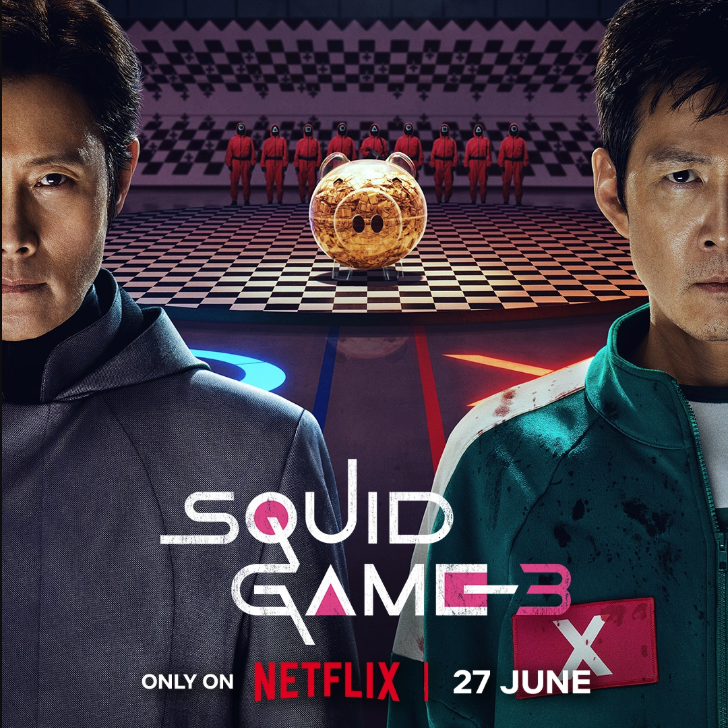
Squid Game is back and wilder than ever!
Netflix has done it again. Squid Game Season 3 just dropped and it’s already smashing records. With over 60 million views in just three days, it’s officially the platform’s biggest premiere of 2025. Viewers were stunned by unexpected twists, new game designs, and a jaw-dropping cameo by Cate Blanchett, who appeared as a high-level recruiter suggesting the games are going global. Yes, that Cate Blanchett, now scaring us more than the giant robot doll. (The Guardian, Ent. Weekly)
But while the rest of the internet debates theories, plot holes, and whether or not they'd eat the sugar honeycomb, let’s ask the real question: What if a project manager ended up in Squid Game? Could they survive? Better yet, could they win?
You wake up in a green jumpsuit, surrounded by hundreds of desperate people and suspiciously cheerful guards in pink. Most players are panicking, but not you. You’ve survived product launches, rescheduled entire roadmaps overnight, and dealt with stakeholders who reply all. You’re calm. Focused. After all, this isn’t chaos. It’s just a high-stakes, all-or-nothing project.
“Red Light, Green Light”? Easy. You analyse the pattern, measure the latency between commands, and decide the optimal pace. You’re not trying to win the sprint - you’re trying to deliver the outcome. Your risk register (aka, your brain) flags the doll as a high-impact threat. You move methodically, ignoring the guy next to you flailing like a marketing deck on launch day.
When it comes time to pick a shape for the honeycomb challenge, you don’t guess - you analyse. The umbrella looks risky. The triangle? Clean lines, fewer edges, quicker delivery. Scope management at its finest. You complete it with time to spare and even offer motivational support to the team member cracking under pressure. You don’t just survive - you lead.
Tug-of-war shows up and everyone starts flexing muscles. You assemble your team like it’s a product squad. You don’t just pick strong people - you build diversity. Strength, smarts, timing, communication. You run a crash course in rope technique, align on cadence, and assign roles. One synchronized pull at a time, you defeat a team twice your size. The Front Man even takes notes.
In the marbles game, where things get emotional and unpredictable, your stakeholder management shines. You build trust, form a psychological edge, and calmly suggest a fair strategy. People underestimate you because you’re “just a PM”, but they don’t realize this is your Super Bowl. You’ve managed office politics - this is just higher-stakes politics with fewer HR rules.
And then, the final game. The Squid Game. The rules make no sense, the goalposts are unclear, and your opponent is ruthless. Feels just like an RFP response, to be honest. But you’ve got strategy, adaptability, and one secret weapon: you’ve already visualized the win. Whether it’s through physical manoeuvring, a last-minute negotiation, or a clever use of the game’s own rules - you find the opening. You deliver. You win.
Why? Because project management isn’t just about deadlines and checklists. It’s about staying calm when everyone else panics. It’s about planning under pressure, adapting when things fall apart, and executing with clarity - even when you don’t have all the answers.
So while the rest of the world watches Squid Game from the edge of their couches, you now know: if it ever came to it, a project manager might just be the most dangerous player in the arena. And if you want to train like one? Check out the ALL-IN-ONE ONLINE COURSE from Hybrid PM Academy. It’s not a death match, but it’ll teach you how to tackle real-world chaos using Waterfall, Agile, and Hybrid approaches and earn a solid certificate along the way.
🦑Project management never looked so... lethal!
- Wander Thorne
- 2nd of June 2025
The Karate Kid franchise has always been about more than just martial arts - it's about personal growth and the mentors who help shape us.
In Karate Kid: Legends (2025), the story takes a bold new turn, blending the old with the new. We’re introduced to Li Fong, a young kung fu prodigy from China, who’s forced to relocate to New York after a family tragedy. Struggling to fit into a new world, he crosses paths with not one, but two legendary mentors - Jackie Chan’s stoic and soulful Mr. Han, and Ralph Macchio’s now-iconic Daniel LaRusso.
The movie doesn’t just offer slick choreography and powerful training montages - it also explores what it means to hold onto your roots while adapting to change. The chemistry between the mentors is both humorous and moving, and Li’s journey feels grounded and relatable. There’s pain, resistance, discipline, and eventually triumph. If you’re a fan of the original films or Cobra Kai, this one hits all the right nostalgic notes while creating something fresh for a new generation.
Now, if you walked out of the theater inspired - thinking, “Maybe I could get into karate someday” - you’re not alone. And here’s the good news: you absolutely can. In fact, earning a black belt in karate isn’t that different from running a long-term project. Like any good project, it starts with a clear goal, a timeline, and a roadmap.
First, define what style you want to train in - Shotokan, Goju-Ryu, Kyokushin - and find a dojo or instructor with solid credentials. Set your timeline. Most schools will take you through a series of belts over 3 to 5 years depending on commitment and performance. Create milestones for each belt level and track your progress through grading exams. Stay flexible: injuries, work, and life may cause delays, but good project planning accounts for setbacks. Use a training journal to reflect on your techniques, goals, and feedback from instructors. And of course, keep your stakeholders (your body, mind, and schedule) aligned!
Just like in Karate Kid: Legends, your path might not be easy - but with structure, discipline, and resilience, the black belt isn’t just possible. It’s achievable.
Inspired to level up your planning skills? Check out our ALL-IN-ONE ONLINE COURSE to master Waterfall, Agile, and Hybrid models - because whether it’s a karate belt or a business breakthrough, great execution always starts with a smart plan.
- Wander Thorne
- 23rd of April 2025
We've already seen huge sixes, underdog wins, teen prodigies, and classic rivalries. And while players are smashing records on the pitch, let’s pause for a moment and think: how does something this massive even happen? If you’ve ever managed a project, you'll recognize the hustle behind the scenes. Turns out, putting together a mega-event like the Indian Premier League takes some serious project management chops. Let’s dive into how IPL 2025 is shaping up and what project managers can learn from the world of cricket.
Wait, What’s Happening in IPL 2025 So Far? Oh, it’s spicy. Here’s what’s heating up the stadiums:
While the players are having their moment, let’s zoom out and talk logistics. Behind the Wickets: The IPL as a Massive Project
Think IPL is just cricket? Nope, it’s an international mega-project with stakeholders, deadlines, vendors, and very tight turnarounds. Here’s how project management makes it all happen (minus the spreadsheets - unless you're into that).
Kickoff Meeting, but Make It Cricket
Before the first ball is bowled, there are endless pre-season meetings: setting goals, choosing venues, locking in sponsors, media rights, and more. It’s like the project charter phase—defining scope, budget, and expectations. Everyone from the BCCI to franchise owners, broadcasters, vendors, and security teams has a seat at the table.
Scheduling Like a Pro
The IPL schedule isn't just about booking matches. You’re dealing with travel logistics across 10 teams, TV broadcasting windows, international player availability, and sometimes even elections affecting stadium use. Every project manager knows the pain of aligning calendars - but try doing that for 70+ matches across 7 weeks!
Risk? Always. Mitigation? Mandatory.
What if it rains? What if a player gets injured or, like in 2020, there's a global pandemic? Having a risk register is as important as having backup power for floodlights. The IPL teams likely have entire contingency playbooks ready to go.
Communication is Key
From announcing fixtures to engaging millions of fans on social media, communication flows in all directions. Internally, teams need instant updates. Externally, there’s media, sponsors, and fans hungry for highlights and memes. Tools like Slack, WhatsApp, and good old Excel sheets are probably in overdrive.
Closing Ceremony (and Lessons Learned)
The final match might be played, but the project isn’t over. There’s post-event analysis: Did ticketing go smoothly? Did vendors deliver? Were the ad campaigns worth it? Just like any project, the IPL closes with retrospectives and reviews to make next season even better.
The Bigger Picture: Sports, Strategy, and Skills
IPL might look like a sports festival, but it's actually a symphony of well-coordinated project teams. From organizing team travel to synchronizing fireworks for the opening ceremony, it's a reminder that great planning leads to unforgettable moments. And here’s the thing - you can absolutely be part of something like this. Whether you’re into sports, biotech, entertainment, or launching your own start-up, project management skills are the secret weapon behind the curtain.
- Wander Thorne
- 16th of April 2025
f you've ever embarked on the quest to defeat the Ender Dragon in Minecraft, you know it's no small feat. It requires planning, resource gathering, and adaptability - much like managing a real-world project. With the recent release of A Minecraft Movie, which has taken theaters by storm and grossed over $550 million worldwide, it's the perfect time to explore how different project management styles can lead to success, both in the blocky world of Minecraft and beyond.
The Waterfall Approach: Planning Every Block
Imagine you're a meticulous player. Before even stepping into the Nether, you've charted out every step: collecting resources, crafting the best gear, and mapping the path to the End portal. This linear, step-by-step method mirrors the Waterfall project management approach. It's structured, with each phase completed before the next begins. This method ensures that by the time you face the Ender Dragon, you're fully prepared, having anticipated every challenge.
The Agile Approach: Building as You Go
Now, picture a different player. They start with basic tools, learn from each encounter, and adapt their strategy on the fly. Maybe they discover a village that offers unexpected resources or stumble upon a shortcut to the stronghold. This flexible, iterative method aligns with Agile project management. It's about responding to change, continuous improvement, and collaboration. In the dynamic environment of Minecraft, this approach allows for creativity and quick pivots when plans go awry.
Lessons from the Big Screen
In A Minecraft Movie, a group of misfits is transported into the game's universe, facing challenges that require both careful planning and adaptability. The film, featuring stars like Jason Momoa and Jack Black, showcases the importance of teamwork and flexibility in overcoming obstacles. Interestingly, the movie has sparked a cultural phenomenon, with audiences engaging in lively, sometimes chaotic, theater experiences - highlighting the unpredictable nature of projects and the need for adaptable strategies.
Whether you're tackling a project in the real world or strategizing your next move in Minecraft, understanding different management approaches can make all the difference. Waterfall offers a clear, structured path, ideal for projects with well-defined goals. Agile provides the flexibility to adapt and evolve, perfect for dynamic, fast-paced environments.
Ready to Level Up Your Skills?
If you're inspired to apply these strategies beyond the game, consider enrolling in our ALL-IN-ONE Project Management Course. Learn how to navigate both Waterfall and Agile methodologies, and earn your Hybrid PM Academy Certificate. Equip yourself with the tools to manage projects effectively - whether you're building in Minecraft or leading a team to success!
- Wander Thorne
- 10th of April 2025
Imagine walking through a wildlife reserve and seeing a creature that vanished over 10,000 years ago - something straight out of the Ice Age. That’s not a scene from a sci-fi movie anymore. Thanks to a biotech company called Colossal Biosciences, we’re inching closer to that reality. They’ve just announced the birth of three genetically engineered wolf pups - Romulus, Remus, and Khaleesi, created to resemble the extinct dire wolf.
These pups weren’t just created in a high-tech lab on a whim. This was the result of a carefully orchestrated scientific journey that involved ancient DNA, precision gene editing, and modern surrogates (domestic dogs, in this case) to carry the embryos to term. The goal? To revive physical and behavioural traits of the dire wolf - a predator that once roamed North America during the Ice Age. It’s a remarkable example of what happens when cutting-edge science meets careful planning. And while the scientists might get the spotlight, none of it would be possible without solid project management behind the scenes.
When people think of science, they usually picture microscopes, labs, and discoveries. But big biotech projects like this one are also massive undertakings that need organization, teamwork, planning, and coordination. That’s where project management comes in. In a project like the dire wolf revival, there are geneticists working on sequencing ancient DNA, veterinarians involved in caring for the animals, ethicists weighing in on what’s right or wrong, and legal teams handling complex regulations. On top of that, there are budgets to stick to, timelines to follow, and risks to manage - like what happens if the pups are born with unexpected health issues or don’t behave like their ancient counterparts. A skilled project manager helps bring all of these moving parts together. They keep everyone aligned, make sure critical deadlines aren’t missed, and help solve problems before they turn into showstoppers. Whether it’s organizing daily team updates or adjusting the plan based on new data, they make sure everything flows toward the end goal. Without that structure, even the best science could stall.
This kind of science comes with controversy, too. Critics have pointed out that while these pups may look like dire wolves, they aren’t true clones. Their white fur and slightly smaller size suggest they’re still genetically more grey wolf than dire wolf. That’s sparked questions about how far we should go with de-extinction and whether bringing back animals from the past is really a good idea. These kinds of concerns aren’t just academic - they impact public support, regulatory approvals, and even the future of the project. That’s why good project management doesn’t stop at scheduling meetings. It also includes creating space for honest conversations, helping teams stay transparent, and making sure ethical considerations aren’t just side notes but part of every major decision. If you’re curious about some of the pushback on the science, this Vox article is a great read on the complex debate.
What’s exciting about all of this is that you don’t need to be a scientist to get involved in game-changing work like this. If you’re organized, a good communicator, and can keep a team focused, you have the potential to make a huge impact. Project managers are the people who help take incredible ideas, like reviving extinct animals and turn them into real, working projects. With strong project management skills, you can help lead initiatives not just in biotech but in health, sustainability, engineering, and beyond. You’d be surprised how much of the world’s biggest breakthroughs are powered by people who know how to keep things running smoothly behind the scenes.
Bringing back the dire wolf might sound like a wild dream, but it’s happening. And while the scientists do the hands-on work, the success of the entire project depends on smart, thoughtful project management. It’s the glue that holds the vision together and pushes it forward. If this inspires you, and you want to build the kind of skills that can help shape the future, consider joining our ALL-IN-ONE Project Management Course. You’ll learn how to manage projects using Waterfall, Agile, and Hybrid approaches, all taught in a clear, practical way. It’s perfect whether you’re just starting out or looking to sharpen your expertise. And yes, you’ll earn your Hybrid PM Academy CERTIFICATE when you’re done!
Changing the world doesn’t just start in a lab. Sometimes, it starts with a great plan and someone who knows how to lead it!
- Wander Thorne
- 24th of March 2025
March Madness isn’t just about buzzer-beaters and Cinderella stories - it’s also a great metaphor for project management.
Just like a basketball tournament, project management requires strategy, teamwork, adaptability, and strong leadership to make it to the final goal. Let’s explore how principles from March Madness can make you a championship-level project manager.
In March Madness, teams follow a structured bracket to reach the finals. Similarly, project managers need a roadmap to guide their teams toward success.
Just like a top coach recruits players with complementary skills, project managers must build a well-rounded team.
No team wins March Madness without making adjustments. The same goes for project management—things rarely go exactly as planned.
In basketball, miscommunication leads to turnovers. In project management, it leads to missed deadlines and confusion.
Every win in March Madness is a step toward the championship. Likewise, project managers should recognize achievements along the way.
Ready to level up your project management skills? Enroll in our ALL-IN-ONE ONLINE COURSE to learn Waterfall, Agile, and Hybrid models, and earn your Hybrid PM Academy CERTIFICATE upon completion! Gain the confidence and knowledge to tackle any project with expert strategies.
- Wander Thorne
- 6th of March 2025
What the 2025 Oscar Winners Can Teach Us About Project Management
The 97th Academy Awards were full of surprises, historic wins, and jaw-dropping moments. But beyond the glitz and glam, the Oscars are also a masterclass in project management—whether it's managing complex film productions, coordinating massive teams, or delivering a final product that wows an audience. So, what can project managers learn from this year's biggest winners? Grab some popcorn and let's break it down!
Anora took home the big prize this year, and that’s no accident. Every Best Picture winner starts with a strong vision that guides the entire production. Similarly, in project management, if you don’t have a clear goal from the start, your team might wander off like a bad sequel nobody asked for.
Lesson: Define your project objectives early. Make sure everyone knows what success looks like so there’s no confusion when the credits roll!
🔗 How to create a project vision that drives success
Sean Baker made history by winning four Oscars for Anora. That kind of success doesn’t happen without a strong leader keeping everything on track. A film director is like a project manager in the movie industry—overseeing deadlines, managing stakeholders, and keeping the creative chaos under control.
Lesson: Be the kind of leader that inspires, guides, and adapts—not the one people secretly hope gets replaced before the sequel.
🔗 Leadership skills every project manager needs
Film editors are the ultimate problem-solvers. They take hours of footage and make the story flow. Sometimes, entire scenes are cut to make the final product better. Sound familiar? That’s Agile project management in action! The ability to adapt and make strategic changes is key to keeping a project on track.
Lesson: Don’t be afraid to cut what doesn’t work. The best projects (and movies) are refined through continuous improvement.
🔗 Master Agile: How to embrace change in project management
Zoe Saldaña’s win for Emilia Pérez proves that even the best projects need strong supporting players. Whether it’s a film crew or a project team, success is never a solo act.
Lesson: Take the time to appreciate your team. Celebrate wins, give credit where it’s due, and make sure everyone knows they’re valued (because let’s be honest, nobody wants to work for a bad director).
🔗 How to motivate and engage your project team
From Dune: Part Two’s epic visuals to Wicked’s magical effects, this year’s winners prove that the right technology can transform a project. Whether you’re managing a film set or an IT rollout, choosing the best tools can enhance efficiency, streamline workflows, and drive success.
Lesson: Don’t fear new tech! AI, automation, and cloud-based project management tools can help you work smarter, not harder.
🔗 Best project management tools for 2025
A great movie starts with a strong script—just like every successful project begins with a well-thought-out plan. If the foundation is weak, the final product will flop faster than a bad reboot.
Lesson: Take time to outline objectives, set milestones, and anticipate risks before you start. A solid project plan keeps you on track and on budget.
🔗 How to create a foolproof project plan
Stunning cinematography and sound design don’t just happen—they require careful planning and execution. The same goes for project management. Missing small details can turn your project into a disaster of Titanic proportions.
Lesson: Always triple-check budgets, risks, and timelines. The best project managers know that success is in the details.
🔗 Attention to detail: How to fine-tune your project execution
Behind every Oscar-winning film is a team of people working tirelessly to bring a vision to life. The same goes for project management! Clear goals, strong leadership, adaptability, and collaboration will set your projects apart—whether you’re launching a new product, managing a corporate initiative, or planning your next big move.
Want to turn your projects into blockbuster successes? Join "Everything You Want to Know About Project Management" and gain practical, real-world insights to take your skills next level!
- Wander Thorne
- 24th of February 2025
Every year, Apple unveils a new iPhone, packed with cutting-edge technology, sleek design updates, and software refinements. With the newly released iPhone 16E, it’s not just tech enthusiasts who should pay attention - project managers can take valuable lessons from Apple's product development approach. There are interesting takeaways to apply to successful project management.
(February 25, 2025)
Apple’s iPhone development follows a mix of Agile and Waterfall methodologies. While they adhere to a strict product roadmap (Waterfall), they also iterate and test improvements continuously (Agile). Project managers should adopt the same mindset - knowing when to stick to structure and when to pivot in response to evolving project needs.
🔗 Learn more about Agile vs. Waterfall methodologies: PMI - Agile vs. Waterfall
The iPhone 16E will likely introduce exciting new features, but Apple must stay within budget and technical feasibility. The same principle applies to project scope management - too many changes can derail deadlines, while too little innovation can make projects irrelevant. Project managers must define clear scope boundaries while allowing for controlled enhancements.
🔗 Explore best practices for managing project scope: PMBOK Guide - Scope Management
Apple doesn’t develop in isolation. They gather market insights, customer feedback, and competitor analysis to refine their product. Similarly, project managers must engage stakeholders to align project goals with business needs and user expectations. Clear communication and expectation-setting are the keys to successful stakeholder management.
🔗 Master stakeholder engagement: Harvard Business Review - Stakeholder Management
From supply chain disruptions to unexpected tech hurdles, Apple faces risks at every step. Their success comes from proactive risk assessment and contingency planning.
Project managers must identify risks early and have strategies in place to prevent setbacks.
🔗 Learn how to build a risk management strategy: MIT Sloan - Risk Management
Apple doesn’t just launch the iPhone when it’s ready - they strategically time announcements, marketing campaigns, and rollouts. In project management, the release phase is just as critical as development.
Ensure proper training, documentation, and support for a seamless transition from development to execution.
🔗 Explore best practices in release management: Atlassian - Release Management
The iPhone 16E isn’t just another smartphone - it’s a masterclass in project execution. From balancing innovation to stakeholder engagement and risk mitigation, Apple’s approach offers valuable lessons for project managers in any industry.
Want to apply these strategies to your own projects? Join the course: "Everything You Want to Know About Project Management"
- Wander Thorne
- 11th of February 2025
Valentine’s Day is All About Balance
(February 11, 2025)
A perfect mix of structure and flexibility, planning and spontaneity, and of course, delivering value to the most important stakeholder: your significant other! If you're a hybrid project manager juggling Agile sprints with Waterfall roadmaps, here’s how you can plan the ultimate Valentine’s Day using your expert PM skills.
Every great project starts with a quick daily stand-up - why should Valentine's Day be any different? Start the day by syncing with your partner:
Pro Tip: A romantic coffee date is the perfect place to align on the backlog of the day. Bonus points if you bring a Kanban board!
Unlike pure Agile chaos, hybrid project managers appreciate a structured plan. Build a realistic itinerary, considering time constraints, dependencies, and risk mitigation (like making a dinner reservation in advance).
Some key deliverables for the day:
Risk Management: Have a backup plan in case something goes wrong. Late restaurant? Have an alternative. Bad weather? Indoor date night prepped. Always be ready for scope creep!
Now that the plan is set, it's time to execute. Like any good hybrid PM, keep an eye on WIP (Work in Progress) to avoid bottlenecks. Don’t overcommit - remember, quality over quantity!
While Agile teams embrace adaptability, Waterfall lovers know some milestones must be met—like dinner reservations at 7 PM! Find the perfect balance between structured moments and spontaneous joy.
A project is only as good as its lessons learned. Before the day ends, reflect on what worked well and what could be improved for next year. Use the Start, Stop, Continue format:
Remember, even if there were unexpected hiccups, it’s all about delivering value (aka happiness) to your most important stakeholder.
Just like in hybrid project management, the key to a successful Valentine’s Day is flexibility, communication, and continuous improvement. Whether you’re sprinting through a day of fun activities or sticking to a well-defined plan, what matters most is that your efforts align with your partner’s expectations.
So go ahead—plan, execute, and celebrate your love like the expert project manager you are. And don’t forget to log this as a successful release in your relationship backlog!
Want to know more about how to become a better Project Manager? Check out our course - Everything You Want To Know About Project Management and have a happy Valentine's Day! ;)
- Wander Thorne
- 4th of February 2025
The Best Project Management Certifications of 2025
(February 4, 2025)
Project management is an exciting and ever-evolving field, and getting the right certification can truly set you apart. Whether you’re an experienced pro looking to level up or just starting out, earning one of these top certifications can boost your career, expand your knowledge, and even increase your salary!
As someone who has passed nearly all of these certifications (except SBSP—working on it!), I’ll share my personal take on their real-world value and why they’re worth your time and effort.
The PMP Certification is a game-changer. It’s the gold standard of project management certifications, recognized worldwide and respected by employers everywhere. If you want to master the art of project management, this is a must-have!
If Agile is your thing, PMI-ACP is a fantastic certification. Agile is everywhere, and this credential proves you know your stuff—Scrum, Kanban, Lean, and more!
Want to become an Agile leader? The SMC certification helps you master the role of a Scrum Master and drive successful Agile projects.
If you're more into shaping products than managing projects, the SPOC certification is perfect. It trains you to be an effective Product Owner, bridging the gap between business goals and Agile execution.
For developers working in Agile environments, SDC is an awesome certification that ensures you fully understand Scrum principles and can contribute effectively to Agile projects.
Want a structured, step-by-step method to run projects? PRINCE2 is for you. It’s widely used in Europe, Australia, and major corporations worldwide.
If you love innovation and product development, the NPDP certification by PDMA is fantastic. It’s all about managing products from concept to market.
For those aiming for higher-level strategy roles, the SBSP certification helps shift your mindset from tactical execution to big-picture business strategy.
Our online course on Waterfall, Agile, and Hybrid project management will not only take you through all the concepts these certifications provide but also equip you with practical skills. If you wish to expand your certification stack in the future, this course will provide a solid foundation before pursuing official certifications—at a fraction of the cost.
These certifications are all fantastic—each serves a different purpose, and all of them can give your career a serious boost. Whether you want to lead Agile teams, master traditional project management, or break into product development, there’s a certification for you.
Which one is the right for you? ;)
- Wander Thorne